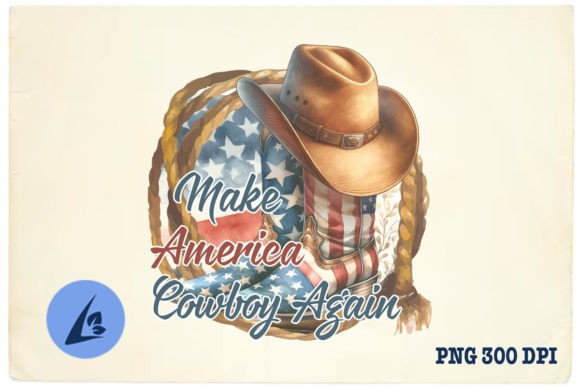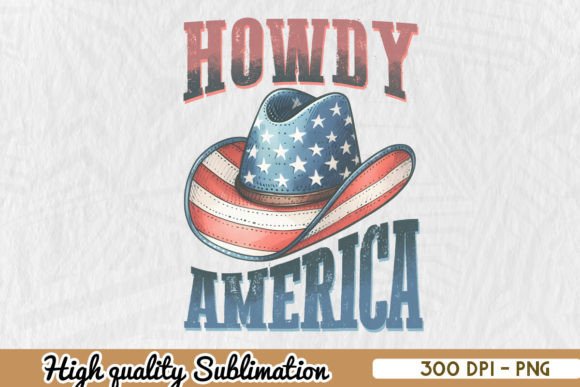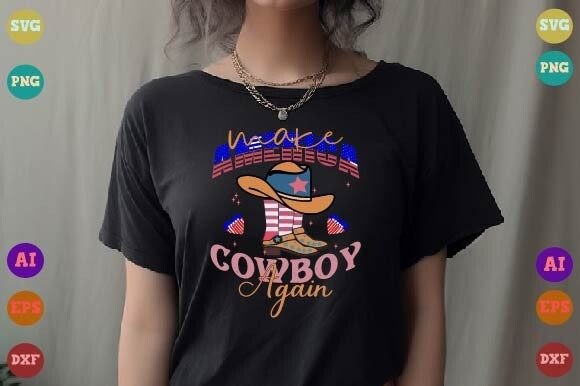
4th of July Make America Cowboy Again
As a designer who spends more time staring at stitch patterns than sleeping, I approach every new file with a healthy dose of skepticism. The market is flooded with generic patriotic motifs, so when 4th of July Make America Cowboy Again landed in my inbox, I didn’t just look at the preview image—I looked for structural integrity, thematic cohesion, and commercial viability. This isn’t just another clipart vector; it’s a statement piece that demands to be stitched. After running through the mental checklist of how this would translate from screen to fabric, here is my practical review for those of you looking to integrate this into your craft business or personal projects.
First Impressions: Bold Typography Meets Western Aesthetic
The immediate visual impact of 4th of July Make America Cowboy Again is its confidence. It doesn’t whisper; it shouts with a twang. For embroidery designers, typography-heavy designs are often a double-edged sword. They can look stunning on a mockup but turn into a tangled mess of thread if the kerning is off or the letterforms are too thin. In this case, the layout feels balanced. The phrase carries a specific cultural weight, blending national pride with rural heritage, which creates an instant emotional connection for a specific demographic.
Visually, the design relies heavily on strong lines and clear negative space. This is crucial for machine embroidery because the needle needs room to move without creating excessive bulk. The mood is festive yet rugged. It feels like something you’d see on a vintage saloon door or a well-worn denim jacket. For small business owners and Etsy sellers, this kind of thematic clarity is gold. You don’t have to explain the vibe to your customer; the design does the talking. It appeals directly to those who value tradition, outdoor lifestyles, and handmade authenticity.
Real-World Application: Where This Design Shines
Let’s talk about where 4th of July Make America Cowboy Again actually lives in the real world. I’ve been thinking about this design not as a digital asset, but as a finished product sitting on a shelf or being worn by a client. My first scenario involves custom apparel, specifically heavyweight cotton sweatshirts or durable canvas tote bags. These materials provide the stability needed to support the design without puckering.
Imagine a boutique brand launching a summer collection. Placing this design on the chest of a unisex hoodie creates an immediate hit. It’s wearable art that signals belonging. Alternatively, consider personalized gifts. This design translates beautifully to baby embroidery items, such as burp cloths or onesies, though perhaps scaled down slightly. There is a growing market for "mini-me" family sets, and having a matching set of embroidered patches for parents and toddlers using this theme could drive significant engagement on social media.
For craft fair vendors, this design is perfect for embroidered patches. Patches allow customers to take ownership of their gear—slapping them onto backpacks, toolboxes, or trucker hats. The durability of a patch means the message lasts, reinforcing brand loyalty. Furthermore, for holiday embroidery projects, this file is timely but versatile enough to remain relevant throughout the summer season. It fits seamlessly into commercial embroidery workflows, serving as a high-value add-on item for existing clients.
Technical Considerations and Potential Pitfalls
No design is flawless, and honest reviewing requires pointing out where caution is needed. When working with 4th of July Make America Cowboy Again, you must be mindful of hoop size and fabric texture. If you attempt to stitch this on a stretchy jersey knit without proper stabilization, the letters will warp. Always use a cut-away stabilizer for garments to ensure the design holds its shape after washing.
Textured fabrics, like heavy wool or boucle, can obscure fine details. While this design appears bold, any intricate decorative accents within the lettering might get lost in thick weaves. Similarly, dark fabrics require careful thread color selection. A standard red, white, and blue palette works, but ensuring high contrast is vital for readability. If you’re stitching on black denim, white satin stitch borders might disappear unless they are sufficiently wide.
Another area requiring attention is dense stitch areas. If the design uses heavy fill stitches in close proximity, it can create a stiff, cardboard-like feel. For products that need to drape softly, like aprons or pillow covers, this stiffness might be undesirable. Test the design on scrap fabric first to assess hand-feel. Also, inspect the corners of any rectangular elements or sharp angles in the typography. On curved surfaces like caps, these sharp points can pull and distort if the underlay isn’t programmed correctly.
Maximizing Visual Appeal and Customer Trust
The quality of execution directly impacts perceived value. A cleanly stitched 4th of July Make America Cowboy Again project signals professionalism. Customers trust brands that pay attention to detail. When the threads are aligned, the backing is clean, and the colors pop, buyers perceive the item as premium. This is especially important for digital product sellers offering printable mockups. Your preview images should showcase the design on realistic backgrounds, highlighting how the text interacts with fabric folds and lighting.
From a branding perspective, this design helps establish consistency. If your shop focuses on rustic, Americana, or western themes, this file reinforces your identity. It aids in recognition, making your products instantly identifiable in a crowded marketplace. For giftability, the sentiment behind the phrase adds an emotional layer that generic designs lack. People buy emotions, and this design taps into feelings of nostalgia and patriotism.
Practical Designer Notes for Implementation
Before you commit this design to a final product, follow these essential steps:
- Test on Scrap Fabric: Never go straight to the customer’s garment. Stitch the design on the exact fabric type you plan to sell to check for tension issues and color accuracy.
- Review Stitch Density: Check the density settings in your software. Too much thread can cause needle breakage; too little can leave the base fabric visible.
- Confirm Hoop Size: Ensure your embroidery hoop is large enough to accommodate the full width of the design without trimming important elements.
- Check Thread Contrast: Compare light and dark fabric backgrounds. Use black and white mockups to verify legibility before committing to colored threads.
- Inspect Small Details: Zoom in on the smallest letters or decorative accents. If they are too small for the chosen thread count, simplify or scale up.
- Verify Licensing: Confirm whether the file allows for commercial use. As a digital embroidery file, usage rights vary. Do not assume you can sell unlimited finished items without checking the terms.
- Select Proper Stabilizer: Match the stabilizer to the fabric weight. Heavy fabrics need heavy stabilizers to prevent shifting during stitching.
In conclusion, 4th of July Make America Cowboy Again is a robust, market-ready design that offers significant potential for both hobbyists and professionals. Its strength lies in its clear message and adaptable layout. By respecting the technical requirements of embroidery—stabilization, tension, and fabric choice—you can transform this graphic into a tangible, high-quality product that resonates with customers. Whether you are updating your Etsy listings, preparing for a craft fair, or designing a personalized gift, this file provides a solid foundation for creative success.
Remember, the best embroidery projects come from thoughtful preparation. Take the time to test, refine, and present your work with care. When done right, 4th of July Make America Cowboy Again won’t just be another stitch pattern; it will be a centerpiece of your collection, driving sales and delighting recipients with its bold, festive spirit.