Assistant Manager Western Sublimation Review
As a designer who spends more time than I care to admit staring at stitch charts and debating thread colors, I approach every new asset with a healthy dose of skepticism. The market is saturated with digital files that look stunning in a preview but fall apart when the needle hits the fabric. Recently, I came across Assistant Manager Western Sublimation, categorized under Crafts and Graphics. On paper, it sounds like a niche graphic asset, but for those of us working in embroidery and handmade goods, the real question is always: how does this translate to thread?
I received this file as a high-resolution PNG, intended primarily for sublimation printing on t-shirts, mugs, bags, and pillows. However, many of my clients are looking for hybrid approaches or want to adapt popular graphic trends into textile art. My goal was to evaluate whether Assistant Manager Western Sublimation has the structural integrity and visual personality to survive the transition from a flat digital image to a tactile, stitched embroidery project. Here is my practical assessment based on real-world application scenarios.
First Impressions and Visual Personality
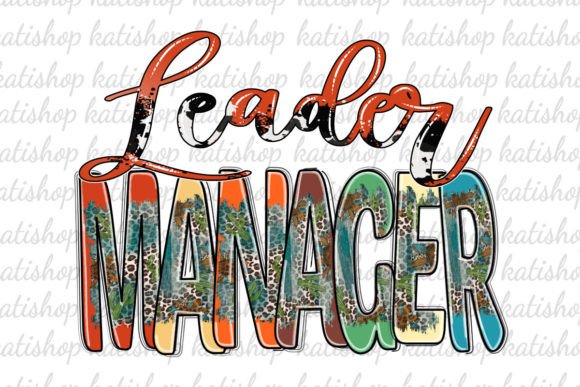
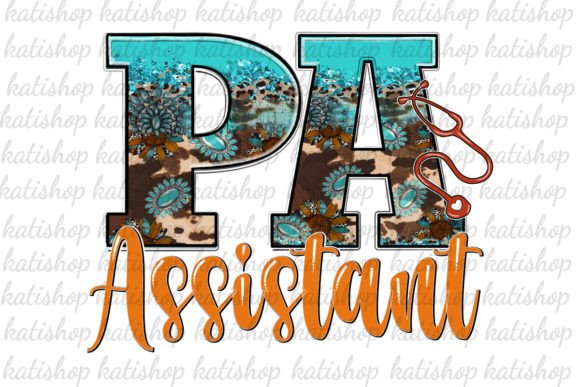
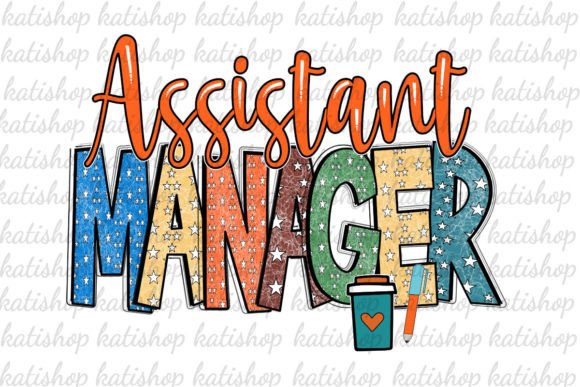
The moment you open the file, the mood is distinct. It carries a rugged yet professional aesthetic, blending western motifs with corporate hierarchy. For an embroidery designer, this duality is tricky. Western themes often rely on heavy textures—leather, denim, rough wool—while "Assistant Manager" implies a level of polish and uniformity. The design manages to balance these by using clean lines and bold shapes rather than overly intricate, fragile details.
This makes it highly versatile. It doesn’t scream "costume party"; instead, it whispers "boutique merchandise." The layout feels balanced, which is crucial because embroidery requires negative space to breathe. If a design is too cluttered, the stitches merge into a muddy blob. With Assistant Manager Western Sublimation, the visual weight is distributed evenly, suggesting that it would hold up well on larger garments where the eye needs something substantial to anchor the composition.
Real-World Application: From Screen to Stitch
Let’s talk about how this would perform in a actual production environment. Imagine you are an Etsy seller preparing inventory for the holiday season. You need a product that appeals to office workers who appreciate a bit of humor or pride in their title. A custom embroidered tote bag seems like the perfect vehicle.
When I simulated placing Assistant Manager Western Sublimation on a canvas tote, the contrast potential was immediately apparent. Because the source file is designed for sublimation, it likely utilizes vibrant, solid color blocks. In embroidery terms, this translates beautifully to fill stitch areas. Solid colors allow for consistent thread tension and fewer visible gaps between satin stitches. On a neutral-colored bag, the design pops without needing excessive background fill, keeping the final product lightweight and comfortable to carry.
However, the true test comes with apparel. Consider a thick cotton sweatshirt for a small shop’s branded line. The western theme pairs naturally with denim jackets or chambray shirts. Here, the design acts as a statement piece on the chest or back. The key here is scale. This isn’t a delicate lace pattern; it’s a bold graphic. It demands a hoop size that allows its full width to be realized. Attempting to shrink it down to a tiny pocket square might result in lost detail, so I recommend sticking to standard chest placements or larger back prints for maximum impact.
Where Caution Is Required
No design is perfect, and Assistant Manager Western Sublimation has specific constraints that every maker must respect. The most critical area of concern is texture and fabric choice. Since this is originally a sublimation graphic, it assumes a smooth, synthetic surface. When moving to natural fibers like linen or heavily textured wool, the sharp edges of the digital graphic might get lost.
Furthermore, avoid using this on stretchy fabrics without proper stabilization. The western typography elements often contain straight lines and sharp angles. If the underlying fabric stretches during stitching, those lines can warp, making the "Assistant Manager" title look crooked or distorted. Always use a cut-away stabilizer for knit fabrics to ensure the stitch density remains stable over time.
Another pitfall is dark fabric. While sublimation works great on white polyester, embroidery on black or navy requires careful thread selection. If the design relies on thin, light-colored outlines, they may disappear against a dark background. I strongly advise testing the thread colors on scrap pieces of your target fabric before committing to a bulk order. You may need to add a backing layer or choose higher-contrast threads to maintain legibility.
Impact on Product Value and Branding
From a business perspective, using Assistant Manager Western Sublimation can significantly elevate the perceived value of a handmade product. Customers associate quality embroidery with durability and care. When they see a crisp, well-executed design like this, they assume the item is premium. It transforms a generic gift into a personalized keepsake.
This is particularly effective for corporate gifts or team-building events. An embroidered patch featuring this design on a cap or apron signals professionalism mixed with personality. It shows that the giver put thought into the branding. For commercial embroidery businesses, this design offers a unique selling point that stands out from the usual floral or motivational quote templates. It taps into a specific niche—office culture meets western charm—which can drive higher engagement on social media platforms like Instagram or Pinterest.
Practical Designer Notes for Implementation
- Test on Scrap Fabric: Never skip this step. Different fabric weights react differently to thread tension. Check if the design puckers or distorts.
- Check Stitch Density: Ensure the digital file converts cleanly to stitches. Dense areas should not feel stiff or bulky after washing.
- Black and White Mockup: Convert the design to grayscale to check contrast. If the details vanish in gray, they will likely struggle in thread.
- Hoop Size Verification: Confirm that your machine’s largest hoop accommodates the design’s dimensions without requiring digitizing adjustments.
- Licensing Confirmation: Before selling finished items, verify the license terms. Some digital graphics restrict commercial use on physical goods.
Final Verdict
Assistant Manager Western Sublimation is a strong candidate for designers looking to expand their catalog with humorous, title-based apparel. It bridges the gap between digital graphics and textile art effectively, provided you respect its limitations regarding fabric texture and scale. It is not a delicate, fine-art piece, but rather a bold, confident statement design.
For craft business owners, it offers a ready-made solution for creating personalized gifts that resonate with a wide audience. Whether used on a tote bag, a sweatshirt, or a nursery pillow, the design brings a sense of playful professionalism that customers love. Just remember to prep your fabrics, stabilize properly, and trust your eyes over the screen. If you do, this design will serve your small shop product line well.