Cowboy Boot Rhinestone Template Review
When I sit down to evaluate a new digital asset for my embroidery workflow, I am rarely interested in just the visual appeal. As a designer who produces custom apparel and boutique merchandise, my primary concern is always utility: Will this design hold up on fabric? Does it translate well from screen to stitch? And most importantly, will it add tangible value to the final product?
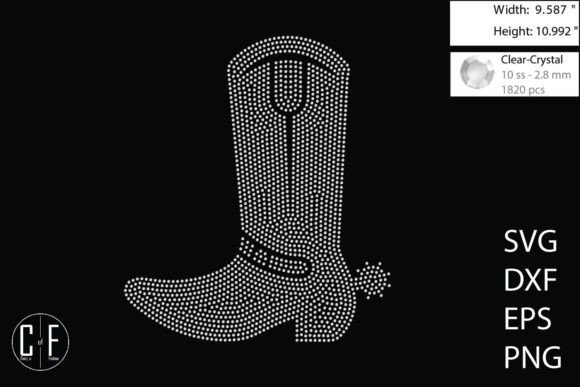
I recently put the Cowboy Boot Rhinestone Template through its paces with this specific question in mind. This downloadable graphic, available in SVG, DXF, and EPS formats, markets itself as a versatile tool for vinyl cutters like Cricut, Silhouette, and ScanNCut. However, for those of us working in machine embroidery or embellishing garments with rhinestones, the application is slightly different. Below is my honest assessment of how this template performs when applied to real-world projects, from personal gifts to commercial small business inventory.
First Impressions and Visual Personality
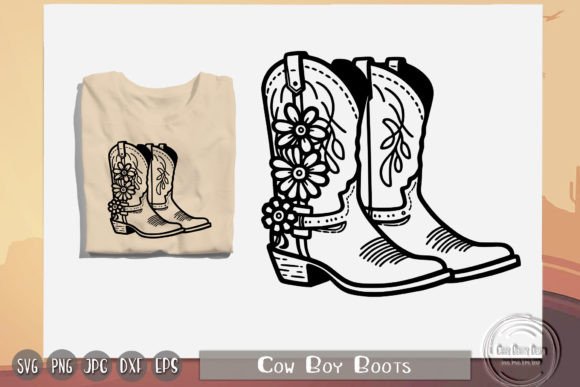
The moment you open the file, the mood is distinct. It captures that rugged yet polished Western aesthetic that has seen a massive resurgence in recent years. The silhouette of the boot is clean, recognizable, and bold enough to stand alone without needing excessive surrounding graphics. For an embroidery project, this clarity is crucial. A design that is too intricate can become muddy when stitched, but this template offers a strong structural foundation.
As a Graphics asset, it feels professional. The lines are crisp, which suggests that whether you are using it as a guide for hand-placed rhinestones or as a base for a large-scale applique, the result will look intentional rather than accidental. It screams "custom," which is exactly what buyers want when they are paying a premium for handmade goods. It fits naturally into the Crafts category, bridging the gap between simple crafting and serious design work.
Real-World Application: From Screen to Stitch
To truly test this Cowboy Boot Rhinestone Template, I moved beyond viewing it on a monitor and applied it to several physical mediums. Here is how it performed in practical scenarios:
- Custom Apparel and Sweatshirts: I transferred the design onto a heavy cotton-blend sweatshirt. Because the template is vector-based (SVG/DXF/EPS), scaling was effortless. Whether I wanted a small chest logo or a large back print, the proportions remained perfect. When used as a guide for rhinestone application, the boot shape provided ample surface area for sparkle without feeling cluttered. It adds a touch of luxury to casual wear, elevating a basic tee into a statement piece.
- Tote Bags and Aprons: One of my favorite uses for this design is on canvas tote bags or denim aprons. The Western theme pairs beautifully with rustic fabrics. Using the template as a stencil for fabric paint or as a placement guide for embroidered patches creates a cohesive brand look. For an Etsy seller, this is a high-demand item, especially during holiday seasons.
- Baby Items and Nursery Decor: Surprisingly, this design works exceptionally well for baby clothes and nursery wall art. When scaled down and rendered in soft pastel threads or subtle pearl rhinestones, the cowboy boot becomes a charming motif rather than a rugged symbol. It is perfect for personalized gifts, adding a sentimental touch that parents appreciate.
- Holiday Gifts and Wedding Favors: During the fall and winter months, Western themes are incredibly popular. This template allows for quick turnaround times on bulk orders. Imagine creating matching sets for a bridal party or groomsmen—perhaps paired with other Western motifs. The versatility of the file format means you can easily adapt the design for various production methods.
Where Caution Is Required
While the design is robust, no single template is suitable for every situation. As an experienced reviewer, I must highlight where this Cowboy Boot Rhinestone Template might present challenges:
Small Hoop Sizes: If you attempt to digitize this for very small hoop sizes (under 4x4 inches), you may lose definition in the finer details of the boot shaft and heel. Always inspect small details before committing to a full run. If the design relies heavily on tiny stitching, it may require a higher thread count, which can stiffen the fabric.
Textured and Stretchy Fabrics: Embroidering on highly textured fabrics like heavy tweed or stretchy jersey knits can distort the alignment of the boot shape. Without proper stabilizer support, the design may pucker or shift. I recommend testing on scrap fabric first to determine the right combination of stabilizer and tension settings.
Dense Stitch Areas: If you plan to use this as a dense fill stitch design, be mindful of the fabric weight. Heavy density on thin fabric can cause the material to tear over time, especially after frequent washing. For best results, pair this design with sturdy materials like denim, canvas, or felt.
Curved Surfaces: Applying this to curved surfaces like caps or hats requires careful planning. The flat nature of the template may not conform perfectly to the curve of a baseball cap brim without significant distortion. Consider using it primarily on flat panels or structured patches before attempting direct application on curved items.
Impact on Product Value and Brand Consistency
For small business owners and Etsy sellers, the difference between a generic product and a branded one often lies in the details. Using a high-quality template like this ensures that your finished product looks professional and consistent. Customers can tell the difference between a hastily copied image and a carefully crafted design asset.
This template enhances visual appeal by providing a clear focal point. It builds customer trust because it signals attention to detail. When a buyer sees a well-executed cowboy boot design on a personalized gift, they perceive higher value, which can justify a higher price point. Furthermore, the ability to sell both the digital files and the physical products expands your revenue streams, making it a smart addition to your design assets.
Practical Designer Notes
Before incorporating this Cowboy Boot Rhinestone Template into your workflow, keep these essential tips in mind:
- Test on Scrap Fabric: Never assume a design will behave predictably. Always run a test stitch on a similar fabric type to check for puckering, thread breakage, or alignment issues.
- Check Thread Color Contrast: Ensure your chosen thread colors provide sufficient contrast against the background fabric. Dark boots on dark fabric may disappear; light rhinestones on light fabric may lack impact.
- Review Stitch Density: If digitizing, ensure the stitch density is appropriate for the fabric. Too dense, and the fabric will become rigid; too sparse, and the design will look unfinished.
- Confirm Licensing: Before selling finished items, verify the licensing terms of the template. Some digital products allow commercial use, while others are restricted to personal projects only. This is critical for avoiding legal issues in your craft business.
- Use Proper Stabilizer: Choose a stabilizer that matches the weight and stretch of your fabric. Tear-away stabilizers work well for woven fabrics, while cut-away stabilizers are better for stretchy materials or items that will undergo frequent washing.
- Inspect Small Details: Zoom in on the digital file to ensure all paths are closed and there are no stray anchor points that could cause cutting or stitching errors.
In conclusion, the Cowboy Boot Rhinestone Template is a versatile, high-quality asset that delivers strong visual impact across a variety of embroidery projects. Whether you are creating personalized gifts, custom apparel, or commercial embroidery pieces for your shop, this design offers a reliable foundation for success. By following proper preparation techniques and respecting the limitations of certain fabrics, you can create beautiful, marketable products that resonate with customers. It is a worthy addition to any designer’s library of digital embroidery files.