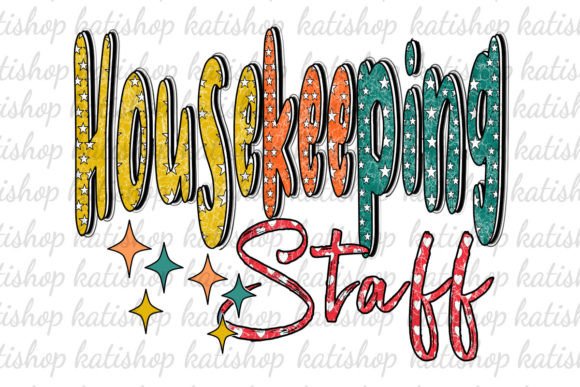
Reviewing Housekeeping Staff Western Sublimation for Embroidery
As a designer who spends more time staring at stitch charts and fabric swatches than sleeping, I have learned to trust my gut before I ever thread the needle. When evaluating a new asset for a client project or a personal craft business, the question is never just "does it look good on screen?" but rather "will this hold up in the hoop?" Today, I am putting Housekeeping Staff Western Sublimation through its paces. This isn't just about aesthetics; it is about functionality, marketability, and the reality of production.
The product falls under the broad umbrellas of Crafts and Graphics, specifically delivered as a high-resolution PNG file intended for sublimation printing on items like t-shirts, mugs, bags, and pillows. However, for those of us in the embroidery community, the value lies in how we can adapt, interpret, or utilize this visual concept within our own machine embroidery design workflows. Let’s break down what makes this design tick and where it fits in your studio.
First Impressions: Mood and Visual Personality
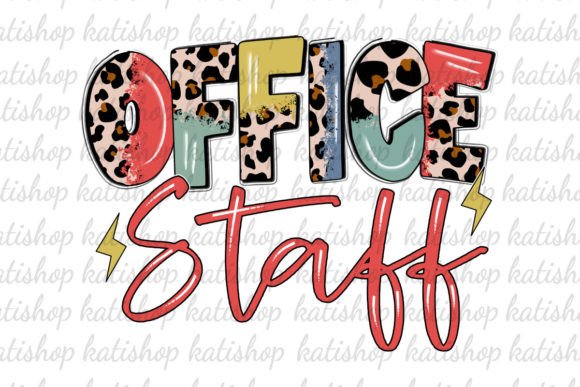
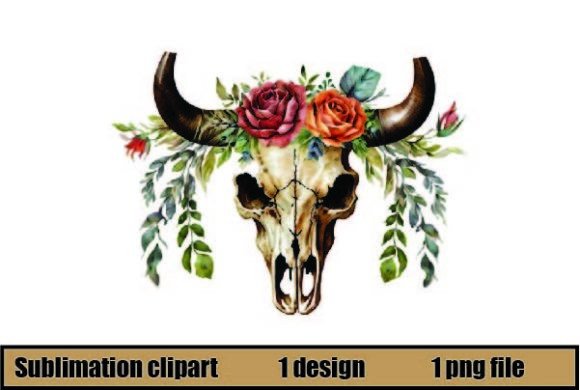
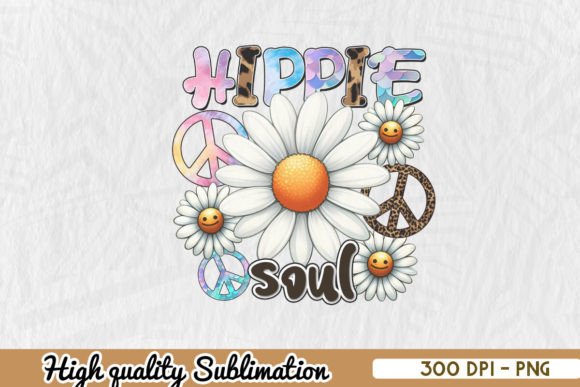
The moment you load Housekeeping Staff Western Sublimation into your design software, the theme speaks for itself. It carries a distinct narrative—a blend of professional service and rugged, western charm. The mood is approachable yet structured. For an Etsy seller or a small shop owner, this kind of thematic clarity is gold. Customers scroll quickly; they need to know instantly what the item represents. Does this design scream "cleaning service appreciation" while maintaining a trendy, artisanal vibe? Yes.
The layout feels balanced, which is crucial when translating a graphic into stitches. Unlike overly complex illustrations that lose their soul when reduced to thread, this design likely relies on strong silhouettes and clear focal points. Whether you are planning a custom apparel piece or a boutique gift set, the visual personality suggests reliability and hard work, wrapped in a stylish package. It avoids being too corporate or too childish, hitting a sweet spot that appeals to both the recipient and the giver.
Real-World Application: From Screen to Stitch
Let’s talk about real use cases. Imagine you are preparing for a local craft fair or fulfilling a bulk order for a cleaning company’s anniversary. You decide to create a line of branded merchandise. Housekeeping Staff Western Sublimation offers several compelling avenues:
- Custom Apparel: Applying this design to a heavy-weight cotton sweatshirt or a durable polo shirt creates immediate brand recognition. The western aesthetic pairs beautifully with denim jackets or flannel shirts, making it perfect for themed uniforms or staff appreciation gifts.
- Tote Bag Design: A canvas tote bag is a staple for any working professional. Translating this graphic into an embroidered patch or direct-to-garment style embroidery adds a tactile element that plain prints lack. It turns a simple utility item into a statement piece.
- Personalized Gifts: Think about holiday embroidery projects. A custom apron featuring this design makes for a thoughtful, practical gift for the home organizer or the professional cleaner in your life. It acknowledges their labor with dignity and style.
- Boutique Branding: If you run a small business selling cleaning supplies or home goods, using this design on tags, labels, or promotional pillow covers reinforces your brand identity. It signals that you care about the people who do the work.
The versatility here is notable. While the source file is a PNG for sublimation, the *concept* is ripe for adaptation. As an embroidery designer, you might use this image as a reference to digitize a similar motif, ensuring that the key elements—perhaps a stylized broom, a western hat, or specific typography—are captured accurately in stitch density and placement.
Where Caution Is Required
No design is without its challenges. Even if Housekeeping Staff Western Sublimation looks stunning in a digital mockup, the physical act of embroidery introduces variables that can ruin a finished product if ignored.
First, consider the hoop size. If the design contains intricate details or tiny lettering, you must ensure your machine’s maximum hoop dimension accommodates it without distortion. Small hoops can stretch fabric unevenly, warping the western motifs or blurring fine lines. Always test on scrap fabric first.
Second, think about fabric texture. Sublimation works best on polyester, but embroidery requires stability. Thin fabrics may require additional stabilizer to prevent puckering. Stretchy materials like jersey knits will shift during stitching, potentially misaligning the design. For textured fabrics like chenille or thick fleece, fine details might get lost in the nap of the material. In these cases, simplifying the design or increasing the spacing between elements is wise.
Dark fabrics present another hurdle. If the original graphic relies on light colors or negative space, you will need to choose thread colors carefully. A dark background might swallow up subtle shading, so opt for high-contrast threads. Test your color palette in black-and-white mode to ensure legibility before committing to expensive specialty threads.
Technical Considerations for Digitizers
If you are converting this graphic into an actual digital embroidery file, pay close attention to the following:
- Stitch Density: Avoid overly dense fill stitches that can make the fabric stiff and uncomfortable. Use a mix of satin stitch for outlines and lighter fill stitch patterns for backgrounds.
- Running Stitch Details: Fine lines should be executed as running stitches to maintain crispness without adding bulk.
- Applique Potential: For large areas of solid color, consider an applique design technique. This reduces thread usage, prevents fabric distortion, and gives a premium, layered look to the final piece.
- Thread Colors: Select threads that complement the western theme—earthy tones, deep blues, or crisp whites often work well. Ensure there is enough contrast against your chosen base fabric.
Impact on Value and Customer Trust
Why does this matter? Because presentation drives perception. A poorly stitched design can make a handmade product feel cheap, regardless of the quality of the materials. Conversely, a well-executed embroidery project elevates the perceived value. When a customer receives a personalized gift or a uniform with clean, precise stitching, they associate that quality with your entire brand.
Housekeeping Staff Western Sublimation, when used correctly, communicates professionalism. It shows that you understand the niche you are serving. For a cleaning business, it says, "We take pride in our work." For a crafter, it says, "I put thought into every detail." This emotional connection is what turns one-time buyers into loyal customers. It builds brand consistency and enhances buyer engagement.
Practical Designer Notes
Before you rush to print or stitch, keep these practical tips in mind:
- Test Everything: Never assume a design will work perfectly on the first try. Run a test on the exact fabric and stabilizer combination you plan to use.
- Check Licensing: Since this is a digital asset, confirm whether you have commercial rights to sell finished products made from it. This is critical for commercial embroidery projects.
- Inspect Small Details: Zoom in on the PNG. Are there tiny elements that will disappear after stitching? Simplify if necessary.
- Use Proper Stabilizer: Cut-away stabilizers are generally safer for garments that will be washed frequently, while tear-away might suffice for temporary items like hats or patches.
- Mockup Wisely: Create printable mockups to show clients or customers how the design will look in context. This helps manage expectations and reduces returns.
In conclusion, Housekeeping Staff Western Sublimation is more than just a graphic; it is a versatile concept waiting to be realized in thread. By approaching it with a critical eye and a respect for the technical demands of embroidery, you can create beautiful, functional, and marketable products. Whether you are a seasoned pro or a hobbyist looking to start a craft business, this design has the potential to be a standout addition to your portfolio. Just remember: the magic happens not in the file, but in the execution.