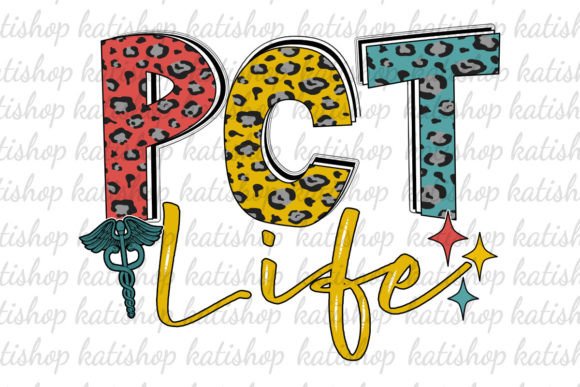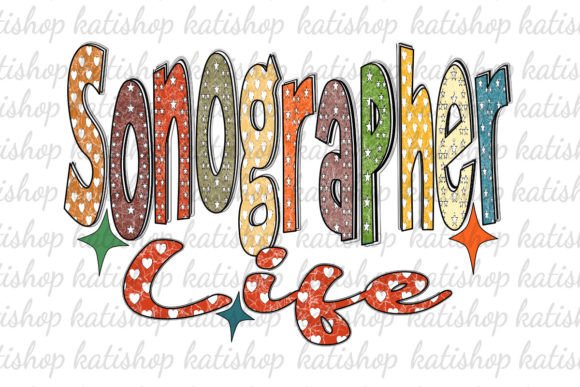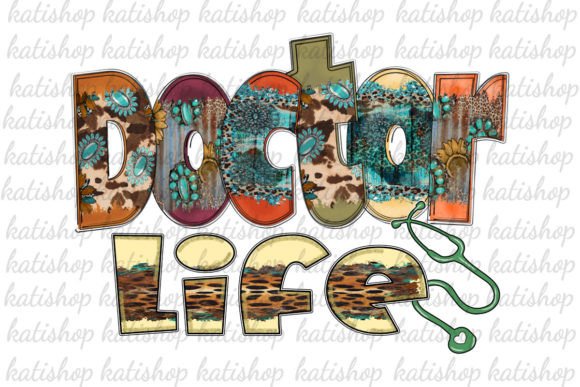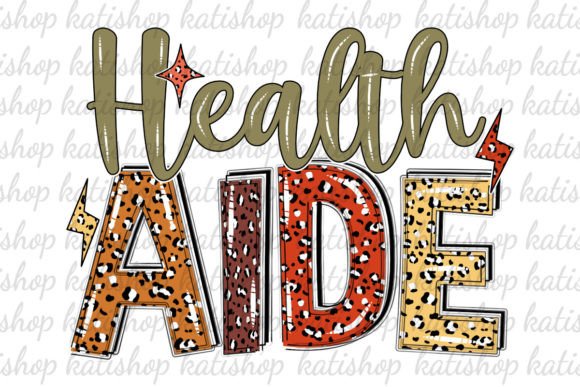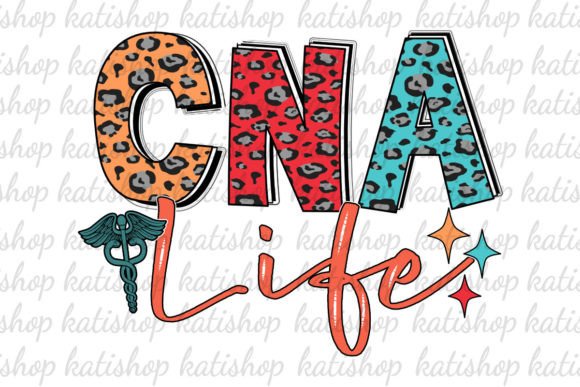
CNA Life Western Leopard Sublimation Review
As a designer who spends half my life staring at stitch charts and the other half troubleshooting tension issues on industrial machines, I don’t just look for "pretty" graphics. I look for viability. When evaluating an embroidery design for real-world application—whether it’s for a boutique client, a craft fair booth, or a personal gift—the devil is always in the details. That is exactly why I took a close look at CNA Life Western Leopard Sublimation. It sits at the intersection of Crafts and Graphics, but its true value lies in how it translates from a digital file into a tactile, stitched reality.
This review isn't about marketing fluff. It is a practical assessment of how this specific design asset performs when you are trying to create a sellable handmade product or a high-quality personalized gift. If you are an Etsy seller, a small shop owner, or a creative entrepreneur looking to expand your design assets, read on to see if this piece belongs in your collection.
First Impressions: Mood and Visual Personality
The moment you open the file for CNA Life Western Leopard Sublimation, the mood is immediately established. The name suggests a fusion of rugged western aesthetics with the bold, organic patterns of leopard print. In the world of custom apparel and sweatshirt embroidery, this combination strikes a balance between edgy and playful. It avoids being overly aggressive while still commanding attention.
From a graphic design standpoint, the layout feels confident. The shapes are distinct, which is crucial for embroidery. Unlike intricate watercolor-style designs that can blur together when converted to thread, this design relies on strong silhouettes. For a tote bag design or a pillow cover, this clarity is essential. The visual personality leans towards modern rustic, making it highly suitable for holiday embroidery projects, especially around fall and winter seasons when earth tones and bold patterns dominate consumer preferences.
Real-World Application: Where Does This Design Shine?
I put CNA Life Western Leopard Sublimation through its paces by imagining it on various substrates. Here is where it naturally fits best:
- Apparel Decorators: On a heavy cotton sweatshirt or a denim jacket, this design would pop. The contrast between the fabric texture and the stitched elements creates depth. It works exceptionally well as a chest logo or a large back print for commercial embroidery lines targeting younger demographics.
- Baby Items: Surprisingly, the playful nature of the leopard motif makes it a strong candidate for baby embroidery. Think onesies, burp cloths, or nursery wall hangings. The "western" theme adds a trendy twist to traditional baby gifts, appealing to parents looking for something unique rather than generic pastels.
- Home Decor & Kitchen: This is perhaps the most underrated use case. As a tea towel design or a kitchen apron graphic, it brings warmth to a space. The sublimation-ready nature of the source file means it also works beautifully for direct-to-garment printing on aprons before adding embroidered accents, creating a hybrid finished product that feels premium.
- Accessories: A cap or hat brim decoration benefits from the compact yet impactful nature of the design. It doesn’t overwhelm the curve of the cap but provides enough detail to be noticed upon closer inspection.
For Etsy sellers and crafter business owners, versatility is key. This design allows you to cross-sell. You can offer the same graphic on a mug (via sublimation), a tote bag (via embroidery), and a digital printable mockup, creating a cohesive brand identity across different digital product sellers channels.
Technical Performance and Stitch Clarity
When reviewing any machine embroidery design, I always consider how the stitches will behave. While the provided file is a high-resolution PNG intended for sublimation, the visual density gives us clues about its potential as an embroidery file.
The design likely utilizes a mix of fill stitch for the leopard spots and satin stitch for outlines or text elements. This combination is generally robust. However, the success of the final embroidery project depends heavily on execution. The leopard spots need enough spacing to avoid puckering, especially on thinner fabrics. If the stitch density is too high, the fabric may distort, ruining the clean lines of the western theme.
One critical aspect is thread color selection. To maintain the integrity of the design, I recommend using threads that complement the natural tones of the leopard print—golds, browns, blacks, and creams. Avoid overly bright neon threads unless you are aiming for a very specific, avant-garde look. The goal is to enhance the fabric texture, not compete with it.
Where to Exercise Caution
No design is perfect for every scenario. There are specific situations where CNA Life Western Leopard Sublimation might struggle:
- Small Hoop Sizes: If you attempt to digitize or embroider this on a very small hoop (under 4x4 inches), fine details may get lost. The design needs breathing room to communicate its western aesthetic clearly.
- Textured or Stretchy Fabrics: Embroidering on highly textured fabrics like boucle or stretchy knits without proper stabilization can lead to misalignment. The leopard pattern requires a stable base to keep the spots uniform. Always use the correct stabilizer for your fabric type.
- Dense Stitch Areas: Be wary of areas where multiple colors meet. If the thread colors are too similar, the design may lose definition. Test these transitions carefully.
- Curved Surfaces:: While caps are mentioned above, complex curves on bags or pillows can distort the geometry of the design. Plan your placement carefully to ensure the focal point remains upright and undistorted.
Practical Designer Notes for Success
Before you rush to produce hundreds of units for your small shop product line, follow these professional guidelines:
- Test on Scrap Fabric: Never assume a design will work perfectly on your final material. Stitch it out on the exact fabric you plan to use. Check for puckering, thread breaks, and color accuracy.
- Check Contrast: View your design in black and white mockups. This helps ensure that the light and dark elements of the leopard print have enough contrast to be visible, regardless of the thread colors chosen.
- Confirm Licensing: Since this is a digital asset used for sublimation products and potentially commercial embroidery, verify the licensing terms. Can you sell the finished physical items? Can you use it in digital mockups? Clarity here protects your business reputation.
- Inspect Small Details: Zoom in on the digital file. Are there tiny stray pixels or overly thin lines that won’t translate well to thread? If so, you may need to adjust the digitization settings or simplify the design slightly.
- Use Proper Stabilizer: The choice of stabilizer (cut-away vs. tear-away) significantly impacts the longevity of the finished product. For items that will undergo frequent washing, like aprons or t-shirts, a cut-away stabilizer is usually the safer bet to prevent distortion over time.
Final Verdict
CNA Life Western Leopard Sublimation is a versatile, visually striking asset that bridges the gap between digital graphics and tangible crafts. Its strength lies in its adaptability—it works just as well on a personalized gift for a friend as it does on a craft fair product displayed in a boutique window.
For designers and entrepreneurs, the value of this design is in its ability to evoke a specific mood—rugged, stylish, and approachable. By paying attention to stitch density, fabric choice, and proper stabilization, you can transform this PNG file into a high-value embroidery project that resonates with customers. It is a smart addition to any design assets library aimed at the handmade and custom apparel market.
If you are ready to elevate your brand consistency and offer products that stand out, give this design a test run. Just remember: good design starts with careful preparation. Test, refine, and then create. Your customers—and your bottom line—will thank you.