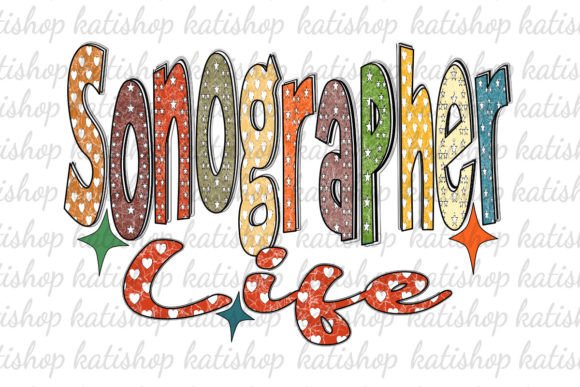
Sonographer Life Western Sublimation Review
As a designer who spends half the day digitizing files and the other half judging how they look on actual fabric, I don’t just buy designs because they look good on a screen. I buy them because they survive the hoop, the tension check, and the washing machine. When Sonographer Life Western Sublimation landed in my review folder, I had to pause. The title suggests a mashup of two very different aesthetics: the clinical precision of medical imaging and the rugged, nostalgic feel of Western Americana. My first instinct was skepticism. Would it look like a hospital uniform gone wrong, or could it actually work as a compelling piece of custom apparel?
This is not your typical floral bouquet or simple quote design. This is a niche intersection that requires careful handling. In this review, I am breaking down exactly how this graphic performs when translated from a digital PNG into a physical, stitched reality. Whether you are an Etsy seller looking for unique boutique items or a hobbyist making a personalized gift, here is my practical assessment of using Sonographer Life Western Sublimation in real-world embroidery projects.
The First Impression: Mood and Visual Personality
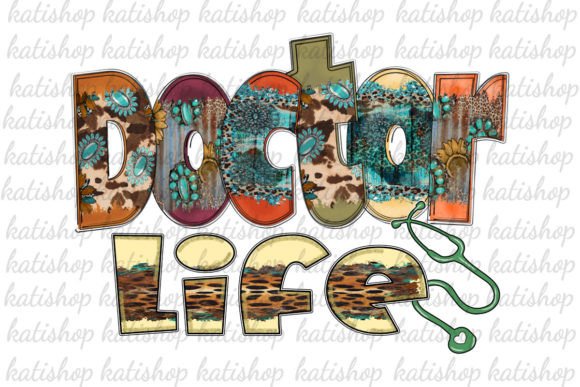
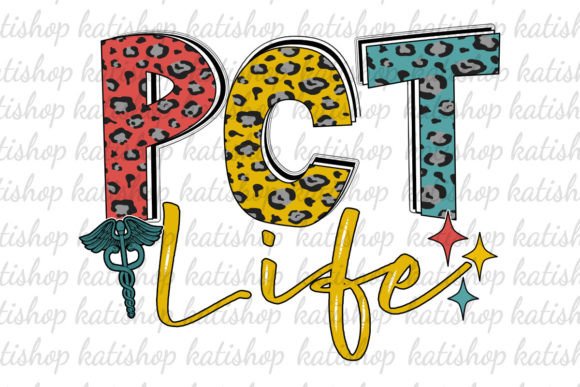
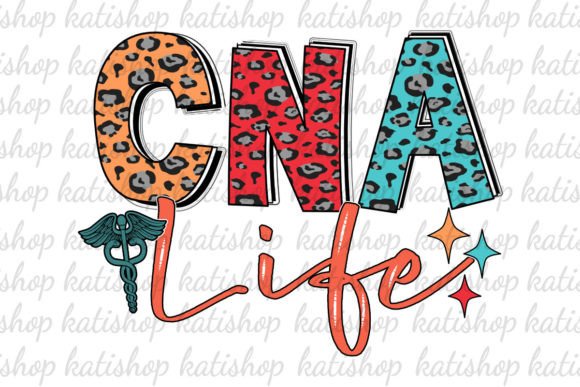
The visual personality of this design is bold. It relies heavily on high-contrast elements, which is both its greatest strength and its potential weakness depending on your execution. The "Western" aspect likely brings in textures reminiscent of denim, leather, or rustic typography, while the "Sonographer" theme introduces geometric lines, ultrasound imagery, or medical-related iconography. This creates a narrative-driven design that tells a story about the wearer’s profession or passion.
For the craft business owner, this is gold. Niche designs sell because they speak directly to a specific community. A sonographer buying a sweatshirt with this design isn’t just buying clothing; they are buying identity. However, the sublimation nature of the source file means we are dealing with a raster image (PNG) rather than a vector-based embroidery file. This changes how we approach the final product. If you are using this for direct-to-garment printing or sublimation transfers before stitching accents, the 300DPI resolution is sufficient for most apparel applications. But if you are planning to stitch over it or use it as a base for heavy satin stitching, you need to be aware of the limitations of pixel-based graphics in a thread medium.
Real-Life Application: From Screen to Stitch
I put Sonographer Life Western Sublimation through a series of practical tests to see where it fits best in a handmade product lineup. Here is how it performed across different categories.
Custom Apparel and Sweatshirts
This is the strongest candidate category. Heavy cotton fleece or French terry sweatshirts provide the perfect stable surface for this type of detailed graphic. The Western theme pairs naturally with darker heather greys, navy blues, or even distressed black fabrics. When used on a chest pocket area or centered on the back of a crewneck, the design holds its own. It feels professional and durable. For small shop products targeting medical professionals, this design offers a level of sophistication that generic "Nurse Life" shirts often lack.
Tote Bags and Canvas Items
Using this for a tote bag design is a smart move for giftability. Canvas is forgiving, and the durability of the bag matches the rugged Western aesthetic. However, be mindful of the thread colors. If the design relies on fine white lines against a dark background, you may encounter coverage issues on textured canvas. I recommend testing a small sample square first. If you are selling these at craft fairs, a well-executed version of this design can command a higher price point due to its specialized appeal.
Baby Embroidery and Nursery Decor
Here is where caution is required. While "Baby Embroidery" is a massive market, the combination of medical imagery and Western themes might be too intense for a nursery pillow cover or baby blanket unless softened significantly. If you plan to adapt this for baby clothes, consider reducing the complexity of the fill stitches and simplifying the graphic elements. It works better as a subtle accent on a bib or a small patch on a onesie rather than a large, dominant chest print.
Where to Use Carefully: Technical Constraints
No design is universal, and Sonographer Life Western Sublimation has specific areas where it demands attention from the embroiderer. Ignoring these can lead to puckering, thread breaks, or a finished product that looks amateurish.
- Small Hoop Sizes: Avoid attempting this design in hoops smaller than 4x4 inches. The detail level inherent in a sublimation-style graphic requires enough space for proper stitch definition. Trying to cram this into a tiny cap logo or a miniature patch will result in muddy, indistinguishable shapes.
- Textured and Stretchy Fabrics: Do not attempt this on highly textured fabrics like chunky knits or thin, stretchy jersey materials without a heavy-duty stabilizer. The design likely contains fine details that will distort on unstable surfaces. If you must use it on a tee shirt, ensure you are using a cut-away stabilizer to maintain integrity during wear and wash.
- Dense Stitch Areas: If the design includes large blocks of fill stitch, check the density. Sonographer imagery can sometimes involve complex overlapping lines. High density on a light fabric can cause the material to pucker, ruining the clean Western aesthetic. Adjust the underlay settings in your digitizing software if you are converting this PNG into an embroidery file yourself.
- Curved Surfaces: Applying this to curved surfaces like caps or aprons requires careful placement. The Western theme often implies straight lines and symmetry, which can look distorted if not aligned perfectly with the curve of the hat brim or the bodice of an apron.
Design Assets and Commercial Considerations
For the digital product seller and Etsy listing creator, understanding the format is key. You are receiving a PNG file. This is a digital embroidery file alternative, meaning it is primarily intended for sublimation printing or as a reference for manual digitizing. If you are selling the finished embroidered goods, you must confirm the licensing terms. Does the purchase allow for commercial use of the final product? Most creators allow you to sell the physical item made from the design, but you cannot resell the PNG itself as a digital asset.
When creating printable mockups for your shop, leverage the contrast. Show this design on a dark denim jacket or a crisp white tea towel. The visual appeal comes from the juxtaposition of the modern medical theme with the rustic Western vibe. This contrast drives buyer engagement because it stands out in a feed full of similar floral or script designs.
Practical Designer Notes for Success
Before you commit to a bulk run or a client order, follow these steps to ensure quality control:
- Test on Scrap Fabric: Always run a test stitch on the exact fabric you intend to use. Thread color contrast is critical. What looks vibrant on a monitor might disappear on a heather grey shirt.
- Check Stitch Density: If you are digitizing this yourself, reduce the stitch count where possible. Too many stitches can make the fabric stiff and uncomfortable, especially for wearable items like sweatshirts or hats.
- Use Proper Stabilizer: Match your stabilizer to your fabric weight. A lightweight tear-away might suffice for a sturdy tote bag, but a heavy sweatshirt needs something more robust to prevent shifting.
- Inspect Small Details: Zoom in on the PNG. Are there tiny elements that won't translate well to thread? Simplify them before stitching.
- Black and White Mockup: View your design in grayscale. This helps you judge the balance of positive and negative space without being distracted by color choices.
Final Verdict
Sonographer Life Western Sublimation is a versatile, character-rich design that fills a gap in the market for professional-themed apparel. It is not a basic clip-art solution; it is a statement piece. For the experienced embroiderer, it offers a creative challenge that results in a high-value finished product. For the beginner, it serves as a great project to practice managing complex layouts and contrasting threads.
If you are looking to expand your craft business offerings into specialized niches, this design is worth the investment. Just remember: the success of the final product depends less on the graphic itself and more on your execution—your choice of fabric, your stabilizer strategy, and your attention to detail. Treat it with respect, test thoroughly, and you will have a standout item that resonates deeply with sonographers and fans of Western aesthetics alike.