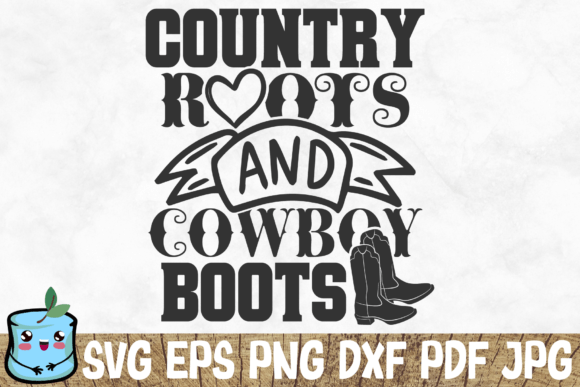
Country Roots and Cowboy Boots Embroidery Review
When I sit down to evaluate a new digital asset for my studio, I am rarely looking for just another pretty picture. As a designer who frequently transitions from screen to fabric, I need to know if a design will hold up under the needle, translate well across different materials, and resonate with the end user. Today, I am breaking down Country Roots and Cowboy Boots, a graphic that promises a specific aesthetic: rustic charm, western flair, and a touch of nostalgia. This review is not just about how it looks on a screen; it is about how it performs as a machine embroidery design when you are preparing custom apparel, handmade products, or commercial goods for your small business.
The First Impression: Mood and Visual Personality
From a pure visual standpoint, Country Roots and Cowboy Boots immediately establishes a clear narrative. The title suggests a connection to heritage, outdoor living, and classic Americana. In the world of Crafts and Graphics, this theme is evergreen, but it is also highly saturated. What matters in an embroidery file is execution. Does the layout feel balanced? Is the detail level appropriate for thread work?
The composition feels grounded. It does not rely on overly complex, wispy details that often get lost in satin stitches. Instead, it leans into bold shapes and recognizable iconography. For a crafter or an Etsy seller, this clarity is valuable. It translates easily to a finished product because the eye knows exactly what to look at. Whether you are designing a tote bag design for a summer festival or a sweatshirt embroidery piece for autumn, the mood fits naturally. It evokes feelings of comfort, tradition, and approachable style. This is not high-fashion minimalism; it is warm, inviting, and distinctly personal.
Real-World Application: Where This Design Shines
I have spent years testing designs on everything from delicate baby bodysuits to heavy-duty canvas totes. Here is where Country Roots and Cowboy Boots truly earns its place in your project queue.
- Custom Apparel and Sweatshirts: This design has the weight to stand up against thicker fabrics. On a cotton blend sweatshirt or a denim jacket, the stitch density likely provides enough texture to create a tactile experience for the wearer. It feels substantial, which adds perceived value to the garment.
- Personalized Gifts and Holiday Items: Think about the holiday market. A holiday gift featuring western themes, especially around holidays like Thanksgiving or Christmas when family gatherings are common, can be a strong seller. This design works beautifully as a personalized gift for someone who loves ranch life, rodeo culture, or simply the aesthetic of country living.
- Boutique Merchandise and Small Shop Products: If you run a craft business selling branded items, this graphic can serve as a logo or a central feature on aprons, tea towels, or pillow covers. It fits the "farmhouse" or "modern rustic" trend that remains popular in home decor.
- Baby Embroidery and Nursery Decor: Surprisingly, this theme can work for nurseries, particularly for parents who want to avoid typical pastel clichés. A subtle application on a blanket or a pillow cover can add character to a gender-neutral nursery.
For the commercial embroidery professional, versatility is key. This design allows you to pivot between selling a handmade product for a local craft fair and creating a printable mockup for a digital listing. The clean lines make it easy to integrate into a brand identity that values authenticity.
Technical Considerations and Stitch Behavior
As a reviewer, I must address the technical side. Even the most beautiful graphic fails if the digitization (or the way it translates to stitch) is poor. While we do not have the exact stitch count here, we can infer behavior based on the visual complexity.
Stitch Density and Clarity: Designs with thick fill areas require careful attention to stabilizer choice. If this design uses large blocks of color, ensure you are using a cut-away stabilizer for stretchy fabrics like jersey or fleece to prevent puckering. For woven fabrics like canvas or linen, a tear-away may suffice depending on the hooping stability.
Detail Resolution: Be mindful of the smallest elements. If the cowboy boots or roots include tiny texturing or fine lines, these might merge together if stitched too small. Always inspect small details before committing to a final run. If you plan to use this as an embroidered patch, ensure the border is wide enough to prevent fraying during trimming.
Thread Colors: The success of this design hinges on your thread colors. Earth tones—browns, tans, deep greens, and rusts—will enhance the "roots" aspect. However, do not be afraid to contrast. A bright red boot against a dark background can pop surprisingly well. Test your thread colors on scrap fabric first to check contrast levels.
Where to Use With Caution
No design is perfect for every surface. There are specific scenarios where Country Roots and Cowboy Boots might struggle:
- Small Hoop Sizes: If you are trying to fit this onto a very small area, such as a child’s hat brim or a tiny wrist cuff, the design may become muddy. Details will lose definition, and the overall shape might distort.
- Textured or Stretchy Fabrics: While it works on sweatshirts, extremely textured fabrics like boucle wool or highly stretchy spandex blends can hide the intricacies of the design. The fabric grain can interfere with the satin stitch edges, making them look jagged.
- Dark Fabric Without Underlay: If stitching light threads on dark fabric, ensure your machine settings account for proper underlay. Otherwise, the design may shift or look unstable.
- Frequent Washing: For items that will see heavy use and washing, such as work aprons or durable tote bags, ensure the design is anchored well. Loose ends in dense fill areas can catch on things over time.
Practical Designer Notes for Execution
To get the best result from this digital embroidery file, follow these practical steps:
- Test on Scrap Fabric: Never assume a design will work perfectly on your final material. Stitch it out on a similar fabric type first.
- Check Black and White Mockups: Convert your design preview to black and white. This helps you judge the balance of positive and negative space without being distracted by color.
- Confirm Licensing: Before selling any finished product or design assets, verify the license terms. Some files are for personal use only. Ensure you have the right to sell physical items made from this design if that is your goal.
- Inspect Corners and Curves: If placing this on a curved surface like a cap, simulate the curve digitally or physically. Distortion can alter the proportions of the boots or roots, making them look off-kilter.
Final Verdict
Country Roots and Cowboy Boots is a solid, reliable addition to any designer’s library. It captures a specific cultural aesthetic with clarity and warmth. It is not overly trendy, which means it has longevity. For the creative entrepreneur looking to expand their catalog with meaningful, relatable designs, this is a smart choice. It bridges the gap between hobbyist passion and professional quality. Just remember: the magic happens in the execution. Choose your fabric wisely, stabilize properly, and let the design speak for itself. When done right, this piece can turn a simple embroidery project into a cherished keepsake.