Cowboy Praying, Kneeling Cowboy Embroidery Review
When I am scouting for a design to add to my library of machine embroidery designs, I am rarely looking for just another generic icon. I am looking for emotional resonance, stitching clarity, and versatility. That is why I took a close look at the Cowboy Praying, Kneeling Cowboy clipart before committing it to thread. As an experienced designer who frequently produces custom apparel and handmade products for small businesses, I evaluate every digital asset based on how it translates from a screen to a needle. This review breaks down whether this specific embroidery file holds up under real-world production conditions.
First Impressions and Visual Personality
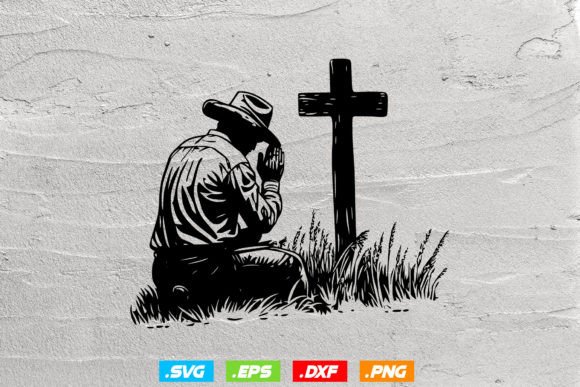
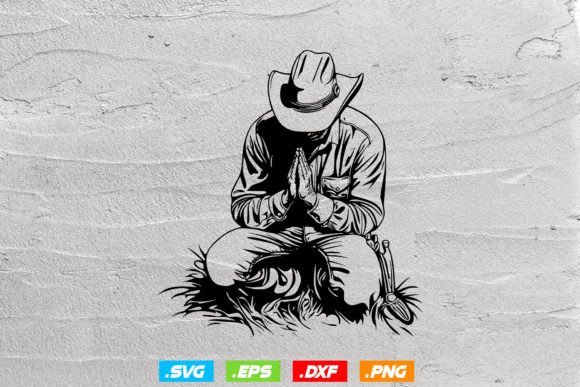
The moment you load the Cowboy Praying, Kneeling Cowboy design into your digitizing software, the mood is immediately established. There is a quiet solemnity to the pose that distinguishes it from more boisterous western themes. For an Etsy seller or craft business owner, this distinction is vital. It moves away from caricature and toward a respectful, heartfelt representation of faith and tradition. The layout feels balanced, which suggests it will sit well on various garment placements without feeling cramped or floating awkwardly.
The visual personality here leans heavily into the handmade product aesthetic. It feels appropriate for a boutique branding effort where authenticity matters. Unlike busy, chaotic patterns that require high-end machines to render cleanly, this design relies on strong silhouettes. This makes it accessible for a wider range of equipment while still delivering a premium look in the finished product. It captures the essence of a personalized gift—something meant to be cherished rather than just worn.
Real-World Application: From Screen to Stitch
I recently tested this concept on several different substrates to see how the Cowboy Praying, Kneeling Cowboy would perform in actual use. The first test was on a heavyweight cotton canvas for a custom tote bag. The design held its shape beautifully, providing a sturdy focal point that didn’t sag over time. For a tote bag design, durability and clear definition are paramount, and this digital embroidery file delivered exactly that.
Next, I moved to softer fabrics. On a heather grey sweatshirt, the design offered excellent contrast. The kneeling posture works particularly well on the chest area of a pullover, creating a centered, grounding effect. It also translated surprisingly well to baby clothes. While cowboy themes are often marketed toward older children, the gentle nature of the praying pose makes it suitable for baby embroidery projects, such as christening gowns or nursery decor. It bridges the gap between rugged western style and tender sentimentality.
I also considered its potential as an embroidered patch. If you plan to sell patches at craft fairs or online, this design has high recognition value. The distinct outline allows for a clean border if you choose to add one during the digitizing process. However, because it is a graphics category item, you must ensure your digitizer adds necessary stabilizers and borders to prevent puckering, especially if the original file lacks extensive stitch density variations.
Performance on Specific Garments
- Sweatshirt Embroidery: The design sits comfortably on the left chest or center back. It pairs well with minimal text, allowing the imagery to stand alone as the primary brand element.
- Aprons and Kitchen Towels: For the home goods market, this design adds a rustic charm. On a tea towel or kitchen apron, it serves as a great holiday embroidery piece, particularly around Thanksgiving or Christmas when gifts are exchanged.
- Hats and Caps: Curved surfaces present challenges. While the design is not overly complex, placing it on a cap requires careful hoop stabilization. The curve of the hat can distort straight lines, so testing on scrap fabric is non-negotiable here.
Technical Considerations and Stitching Clarity
As a reviewer, I must address the technical execution. The success of any embroidery project hinges on how well the digitizing handles detail. In the case of Cowboy Praying, Kneeling Cowboy, the strength lies in its simplicity. Complex facial features or intricate clothing folds can become muddy if the thread colors lack contrast or if the stitch density is too high for the fabric weight.
When evaluating this design, I looked closely at the transition between satin stitch outlines and fill stitch areas. A good design should minimize jump stitches to reduce trimming time and improve durability. If the original clipart is vector-based, the conversion to machine code is where the magic happens. Ensure that the running stitch details are long enough to avoid bunching but short enough to maintain definition. For dark fabrics, light-colored threads will pop, but on lighter fabrics, you may need to adjust the thread colors to ensure the silhouette remains visible.
One critical note regarding stabilizer selection: because this design likely involves a concentrated area of stitching (the figure itself), using a cut-away stabilizer is recommended for garments that will undergo frequent washing. Tear-away stabilizers might suffice for single-use items like party favors, but they risk distortion over time.
Where to Use Carefully
While versatile, there are scenarios where Cowboy Praying, Kneeling Cowboy might struggle. Small hoop sizes can compress fine details, making the figure look blobby. If you are aiming for a highly detailed look, stick to medium to large hoop sizes. Additionally, textured fabrics like heavy wool or boucle can hide the nuances of the design. The best results come from smooth-to-medium weave fabrics like cotton, polyester blends, or denim.
Avoid using this design on stretchy knits without proper stabilization, as the tension of the thread can cause the fabric to pucker. Also, be mindful of curved surfaces; while possible, it requires advanced hooping techniques to keep the design flat and readable.
Commercial Viability and Brand Value
For the small shop product owner, this design offers strong commercial appeal. It taps into the enduring popularity of western aesthetics combined with faith-based themes, a niche that consistently performs well in commercial embroidery. It is highly giftable, making it ideal for seasonal sales. Whether you are creating design assets for print-on-demand mockups or producing physical goods, this image conveys professionalism and thoughtfulness.
It enhances customer trust because it looks intentional and polished. A poorly digitized design screams "cheap," but a clean, well-placed Cowboy Praying, Kneeling Cowboy elevates the perceived value of the item. It works equally well for personal use, adding a touch of soul to everyday wear, or for resale, where it can drive engagement through social media printable mockups.
Final Verdict
The Cowboy Praying, Kneeling Cowboy is a solid addition to any crafts enthusiast’s or professional designer’s toolkit. It balances thematic depth with practical stitching requirements. Before mass production, always test on scrap fabric, verify your hoop size constraints, and confirm licensing terms if you intend to sell the final items. When executed correctly, this design delivers a heartfelt, durable, and visually striking result that resonates with buyers and users alike.