Cowboy Kneeling at Cross: A Designer’s Real-World Review
When I scroll through marketplaces looking for that one design to anchor a new product line, I am rarely impressed by clipart-style graphics that look flat once stitched. I am looking for soul, structure, and stitchability. Recently, I evaluated the Cowboy Kneeling at Cross digital asset, categorized under Crafts and Graphics, with a very specific question in mind: Can this actually work as a commercial embroidery design, or is it just another pretty picture that falls apart under the needle?
As an experienced designer who frequently prepares custom apparel, sweatshirts, and boutique merchandise for clients, I do not guess. I test. Below is my honest assessment of how this machine embroidery design performs when translated from screen to fabric, and where it fits best in a modern craft business.
First Impressions: Mood and Visual Personality
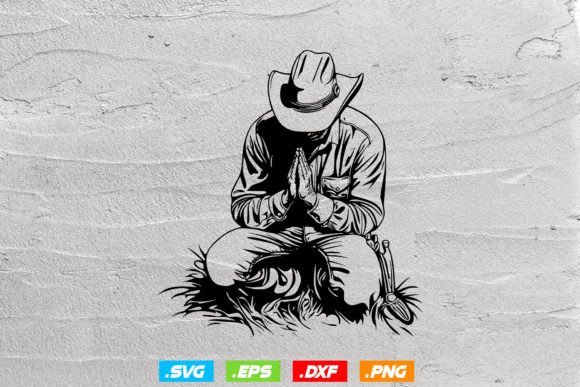
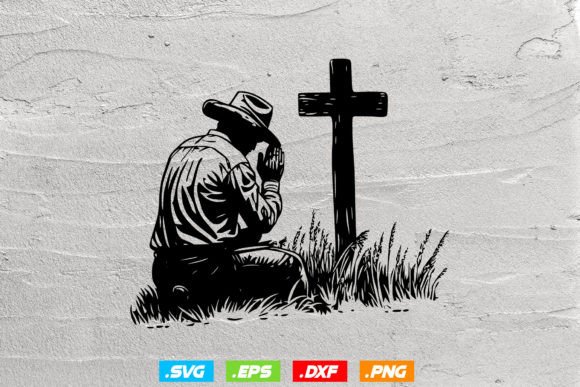
The moment you load the file, the mood is immediately apparent. This is not a cartoonish cowboy; it is a figure captured in a moment of quiet reverence. The composition centers on a kneeling cowboy praying at a cross, which creates a strong vertical axis. For an embroiderer, vertical compositions are often easier to hoop and balance than wide, sprawling landscapes.
Visually, the design feels grounded. It has a rustic, Americana vibe that resonates deeply with specific demographics. It appeals to those who value tradition, faith, and rural heritage. From a branding perspective, this image carries weight. It suggests authenticity. If you are building a brand around handmade goods, western wear, or faith-based gifts, this embroidery file provides an immediate emotional connection before the customer even reads your product description.
However, "pretty" does not always mean "stitchable." The initial download shows a clean silhouette, but the devil is in the details. Does the design rely too heavily on tiny, intricate lines that will disappear in thread? Or does it use bold shapes that hold up well? In the case of Cowboy Kneeling at Cross, the primary strength lies in its clear negative space and distinct separation between the figure and the background elements.
Real-World Application: Where This Design Shines
I put this design through several mental simulations of real-world projects. Here is where I see the highest potential for success and customer satisfaction.
- Custom Tote Bag Design: This is perhaps the strongest use case. Placing the kneeling cowboy on the front panel of a canvas tote bag allows the design to breathe. The sturdy fabric supports the weight of the stitches without pucker, and the theme fits perfectly with boho-western aesthetics popular among Etsy sellers.
- Sweatshirt Embroidery: Heavy cotton blends or fleece are ideal for this kind of detailed graphic. The texture of the fabric complements the rugged theme of the cowboy. When positioned over the heart or centered on the back, the finished product looks professional and high-value.
- Embroidered Patch: Converting this into a patch format is a smart move for small shop products. Patches allow customers to add personality to denim jackets, backpacks, or hats. The clear outline of the cowboy makes for a clean applique or satin-stitch border.
- Holiday Embroidery and Gifts: While not strictly Christmas-themed, the imagery of peace and prayer fits beautifully during winter holidays. It works exceptionally well for personalized gifts, such as a baby blanket or a nursery decor piece for parents who appreciate traditional values.
In these scenarios, the design elevates the perceived value of the item. A plain tote becomes a statement piece. A basic cap becomes a curated boutique find. This is what drives engagement and sales for any craft business.
Technical Challenges and Areas for Caution
No design is perfect, and transparency is crucial for other designers. There are specific situations where Cowboy Kneeling at Cross requires careful handling to avoid a disappointing result.
- Small Hoop Sizes: If you attempt to digitize or use this design in a 4x4 hoop, you risk losing detail. The kneeling posture and the cross may become compressed, causing thin lines to merge. Always check the recommended hoop size before committing to small accessories like baby bibs or miniature patches.
- Fabric Texture and Stretch: Avoid using this on highly textured fabrics like heavy waffle knits or stretchy jersey unless you have stabilized them properly. The stitch density needs a relatively smooth surface to maintain clarity. On stretchy fabrics, the tension can distort the delicate curves of the cowboy’s hat or the crossbeam.
- Dense Stitch Areas: Inspect the fill stitches closely. If the design uses large blocks of solid color, ensure your thread colors provide enough contrast against the fabric. On dark fabrics, light-colored fills can look muddy if the underlay isn’t sufficient. Conversely, white-on-white designs can lose definition if the lighting isn’t right.
- Curved Surfaces: While caps are popular, this particular design might struggle on the curved front of a baseball cap if the aspect ratio is too tall. It may look better on a structured bucket hat or a beanie where the surface is more forgiving.
Practical Notes for the Embroidery Designer
Before you start producing inventory, follow these steps to ensure quality control:
- Test on Scrap Fabric: Never go straight to your final garment. Stitch the design on the exact fabric type you plan to sell. Check for puckering, thread breaks, and registration issues.
- Review Stitch Density: Look for areas where the machine might skip stitches due to overcrowding. You may need to manually adjust the density or simplify certain details in your digitizing software.
- Check Stabilizer Choice: Use a cut-away stabilizer for woven fabrics like cotton and linen to prevent distortion over time. For knit fabrics, a tear-away might suffice for lightweight items, but wash-away is safer for delicate edges.
- Black and White Mockup: Convert the design to grayscale to check contrast levels. If the shapes blend together in black and white, they will likely lack impact in color.
- Confirm Licensing: Since this is a digital embroidery file sold as an instant download, verify the license terms carefully. Some licenses allow personal use only, while others permit selling finished physical items. Do not assume commercial rights unless explicitly stated.
Final Verdict: Is It Worth Your Time?
Cowboy Kneeling at Cross is a strong contender for designers targeting the western, faith-based, or rustic aesthetic markets. It offers a compelling visual narrative that translates well into tangible products. It is not just a graphic; it is a design asset that can drive sales for Etsy sellers and small shop owners alike.
However, success depends on execution. You must respect the technical limitations of embroidery. Choose the right fabric, use proper stabilizers, and pay attention to thread selection. When done correctly, this design yields a handmade product that feels authentic, heartfelt, and professionally crafted. It avoids the trap of looking cheap or overly simplistic, instead offering a sense of dignity and tradition that customers connect with.
If you are looking to expand your catalog with meaningful, high-quality embroidery projects, this file deserves a spot in your library. Just remember to test thoroughly, manage expectations regarding small details, and always prioritize the tactile experience of the wearer. In the world of handmade goods, that attention to detail is what builds trust and loyalty.